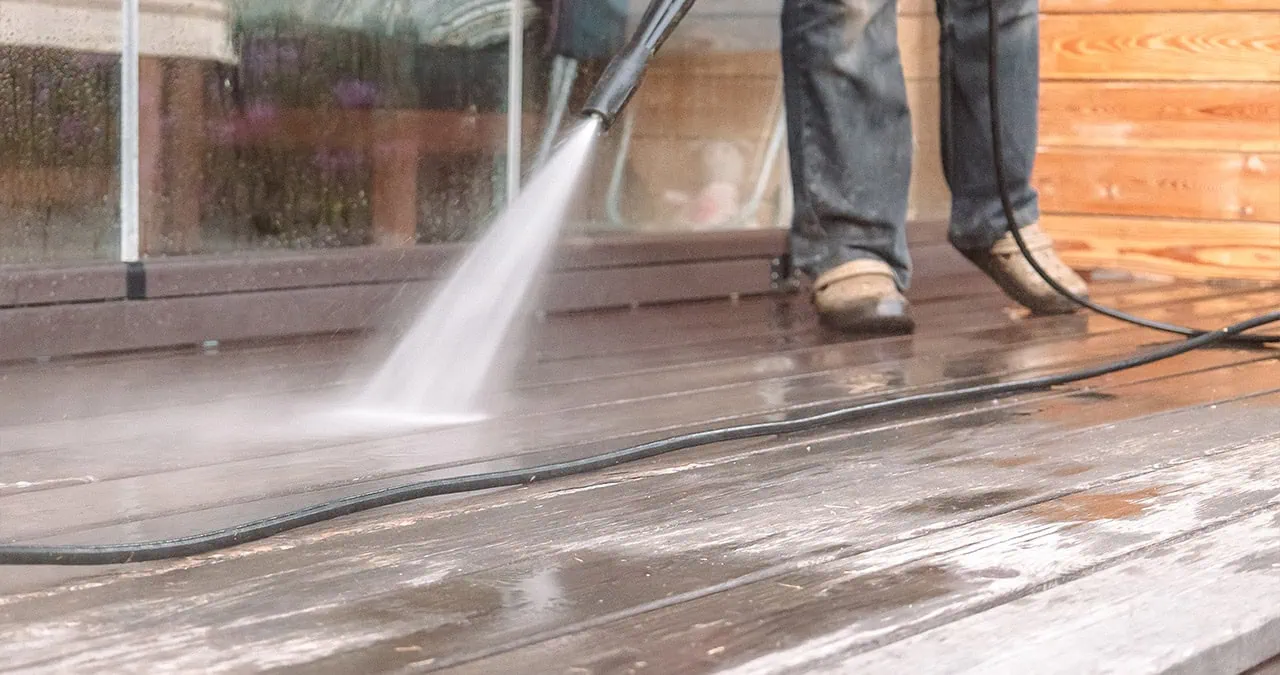
A clean walkway does more than look nice, it helps prevent slippery buildup, protects your concrete, and boosts your home’s curb appeal. Over time, the walkway can accumulate dirt, stains or algae, making it slippery and unsafe, especially for the kids and elderly people. Pressure washing your walkway is an essential process. But how often should you actually pressure wash your walkway?
What Does Pressure Washing Do?
Pressure washing is a technique where powerful water pressure is used to lift away dirt, buildup, and stains. It delivers a deep clean sweeping that a quick DIY rinse can’t fix. At Pro H2O Pressure Wash, we help homeowners across Myrtle Beach keep their concrete and paver walkways looking spotless and safe. In this blog, we’ll walk through the key benefits of pressure washing your sidewalk, the best techniques to use, and the main factors to consider. By the end, you’ll know how to keep your walkways looking clean and well-maintained while also improving the overall safety around your home.
Why Does Your Walkway Need Pressure Washing?
Over time, walkways collect:
- Dirt and mud
- Mold, mildew, and algae
- Oil and rust stains
- Leaf stains and organic buildup
A simple rinse with a hose won’t remove embedded grime. Pressure washing uses high-pressure water to lift deep stains and contaminants, which restores both appearance and traction.
A clean sidewalk or path not only looks better, it also reduces the risk of slips and falls when surfaces get wet or slimy.
When to Pressure Wash Your Walkway?
For a typical residential property, a good rule of thumb is to pressure wash your walkway once or twice a year. This aligns with what exterior cleaning experts recommend for high-use outdoor surfaces: an annual deep clean as a minimum, with more frequent washing in challenging conditions.
Once-a-year cleaning is usually enough if:
- Your home isn’t surrounded by a lot of trees
- You don’t see much mold, algae, or standing water
- Foot traffic is moderate
Twice a year (often spring and fall) makes more sense if:
- You live in a humid coastal climate like Myrtle Beach
- Trees drop sap, leaves, and pollen onto the walkway
- You notice algae or black mildew streaks returning quickly
This schedule keeps buildup from getting out of hand and helps prevent long-term staining.
How Surface Type Affects Frequency
Not all walkways are the same. Your cleaning schedule should also match the surface material:
- Concrete walkways
- Very durable
- Respond well to annual or twice-yearly pressure washing
- Ideal PSI usually falls between 2000–3000, paired with a wider fan nozzle, to avoid damage while still cutting through grime.
- Very durable
- Paver or brick walkways
- Slightly more delicate
- May need lower pressure (around 1500–2000 PSI) to avoid loosening sand joints or chipping edges
- Still benefit from regular washing to remove weeds, moss, and stains
- Slightly more delicate
- Older or cracked surfaces
- Should be cleaned more gently
- You may still wash annually, but with lower pressure and more reliance on detergents
- Should be cleaned more gently
Because of these variations, our team at Pro H2O Pressure Wash always checks the material and condition before choosing the right pressure and technique.
Why Choose Pro H2O Pressure Wash?
DIY pressure washing can save money up front, but it also comes with risks:
- Using too much pressure can etch concrete or damage pavers
- The wrong nozzle can leave stripes or uneven cleaning
- Inconsistent technique leaves some areas dirty and others over-blasted
At Pro H2O Pressure Wash, we use commercial-grade equipment and know how to balance PSI, nozzle angle, and cleaning solutions so your walkway gets a deep clean without surface damage.
We also help you set a realistic cleaning schedule based on your property’s unique climate, shade, and traffic patterns. To maintain a bright & safe walkway all year long, call us at (843)-455-1485. Visit our website to get details about other services at Pro H2O Pressure Wash.
