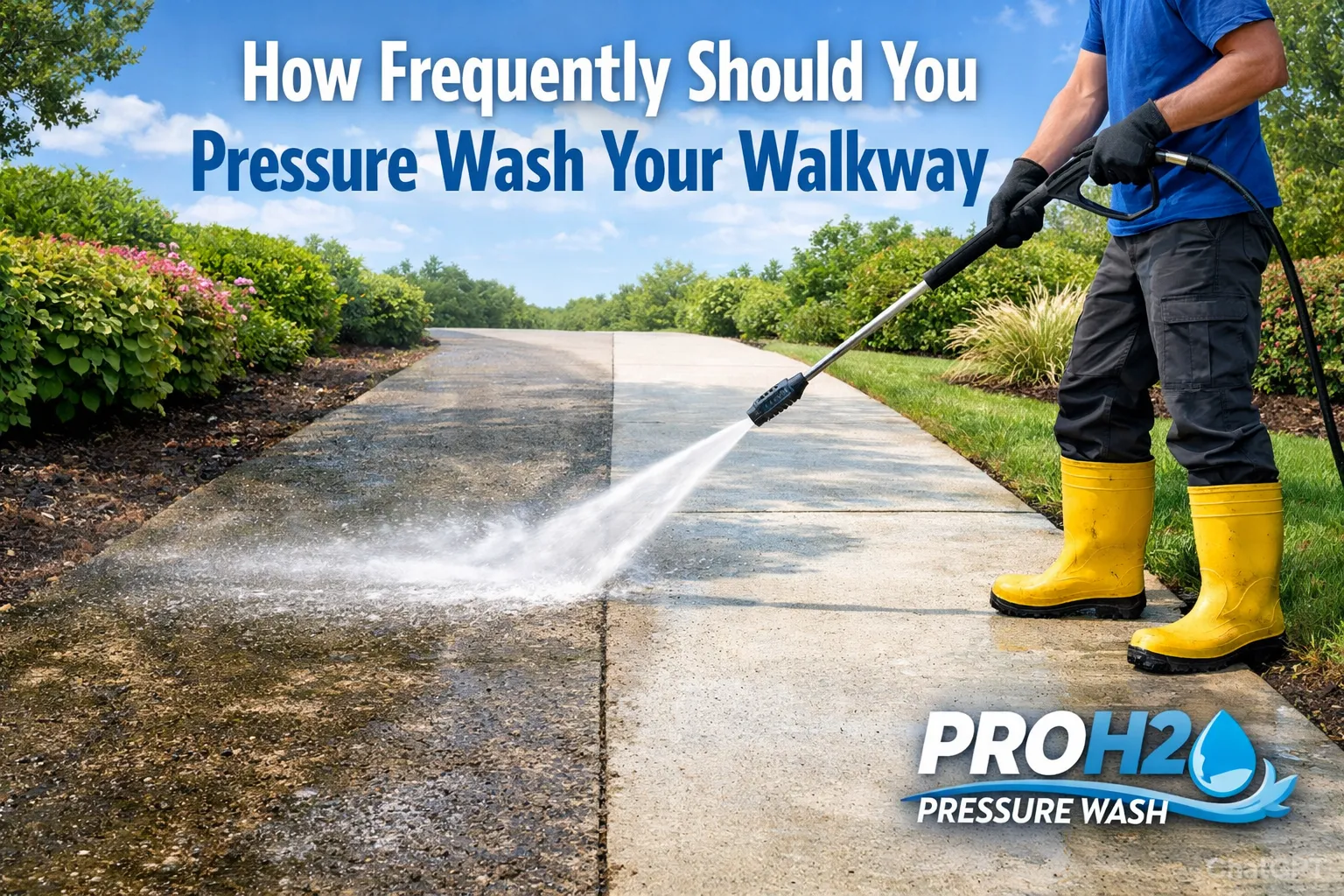
A clean walkway does more than improve curb appeal—it also helps reduce slippery buildup from algae, mildew, dirt, and pollen. If you’re wondering how often you should schedule a cleaning, the best answer depends on your local climate, shade, foot traffic, and the material your walkway is made from. For homeowners and property managers looking into Pressure Washing Socastee, SC, humidity and seasonal growth can make regular maintenance especially important.
Why walkway cleaning frequency matters
Walkways collect grime gradually, so it’s easy to ignore until stains and dark patches become obvious. But waiting too long can allow organic growth to spread and set into porous surfaces like concrete and pavers. Over time, that buildup can:
- Create slick spots that increase slip-and-fall risk
- Discolor surfaces and make them look older than they are
- Encourage weeds and moss between joints (especially on pavers)
- Lead to more intensive cleaning later (which can be harder on the surface)
In a coastal, humid region near Myrtle Beach, moisture and shade can accelerate algae and mildew. That’s why many people choose routine Pressure Washing Socastee, SC services instead of only cleaning when the walkway looks “bad.”
General rule of thumb: once per year
For most homes, pressure washing a walkway once per year is a good baseline. An annual wash removes dirt and organic film before it becomes stubborn, helping your concrete or pavers maintain a brighter, more uniform appearance.
A good time to schedule an annual cleaning is:
- Spring: clears pollen, winter grime, and early algae growth
- Early fall: removes summer buildup and freshens the property before holidays
When you should clean more often (2–4 times per year)
In Socastee and surrounding areas, some walkways benefit from quarterly or twice-yearly cleaning—especially if conditions encourage rapid growth. You may want more frequent service if:
1) Your walkway is shaded
Shade keeps surfaces damp longer, making algae and mildew more likely. If trees or your home block sunlight, your walkway may develop green or black staining faster.
2) You’re near water or have heavy irrigation
Sprinklers that regularly hit the walkway, poor drainage, or consistently wet conditions can lead to more buildup. Moisture is the main driver of algae growth, and it doesn’t take long for slick patches to form.
3) High foot traffic
Homes with kids, pets, or frequent visitors track in more dirt. Walkways leading to side doors, pool areas, or outdoor seating zones often need cleaning more frequently than a front entry path.
4) You notice algae returning quickly
If green film reappears within a couple of months, don’t wait a full year. Many homeowners who book Pressure Washing Socastee, SC find that a regular schedule keeps surfaces safer and prevents deep staining.
When you can clean less often (every 18–24 months)
Some properties can stretch the schedule—typically if the walkway:
- Gets full sun most of the day
- Has excellent drainage
- Doesn’t receive overspray from sprinklers
- Sees light foot traffic
- Is sealed and in good shape
Even then, it’s smart to inspect the surface periodically and spot-clean problem areas before they spread.
Material matters: concrete, pavers, brick, and stone
Different walkway materials respond differently to pressure and cleaning chemicals, which also affects how often you should wash.
Concrete walkways
Concrete is durable, but it’s also porous. In humid climates, it can darken from organic growth. Annual cleaning is common, but shaded concrete often needs 2–3 cleanings per year.
Pavers
Pavers can look great but collect debris in joints. Pressure washing can remove joint sand if done aggressively, so many pros use the right pressure and then re-sand afterward if needed. If weeds and algae are a recurring issue, twice-yearly cleaning may help.
Brick
Brick can chip or wear if the pressure is too high, especially if the mortar is aging. Gentler washing methods and proper nozzles matter. Don’t overdo frequency—clean when buildup is visible or slippery areas appear.
Natural stone
Stone varies widely. Some types are softer and more prone to etching. A professional approach is recommended to avoid surface damage while still removing grime and growth.
Signs your walkway needs pressure washing now
Instead of guessing, watch for these clear indicators:
- Green algae or dark mildew patches
- Slippery feel, especially after rain
- Dirt lines where water runs or pools
- Discoloration that doesn’t rinse away with a hose
- Weeds/moss around edges or joints
- The walkway looks noticeably darker than surrounding surfaces
If you see these signs, scheduling Pressure Washing Socastee, SC sooner can prevent permanent-looking stains and help maintain safer walking areas.
DIY vs. professional pressure washing in Socastee, SC
A small electric pressure washer can handle light dirt, but organic growth in humid areas may require more than just high pressure. Using too much pressure can leave etch marks in concrete, strip joint sand from pavers, or damage mortar.
Professional services often use methods like controlled pressure and appropriate detergents to break down algae and mildew effectively—especially useful for recurring growth in coastal climates. If your walkway has heavy staining, delicate materials, or nearby landscaping you want protected, hiring a pro is usually the safer route.
Recommended schedule for Pressure Washing Socastee, SC
For many local homeowners, a practical schedule looks like this:
- Minimum: once per year
- Typical in humid/shaded areas: every 6 months
- High moisture/shade/heavy traffic: every 3–4 months
- Low-risk walkways (sun + drainage): every 18–24 months, with periodic inspection
Final takeaway
How frequently you should pressure wash your walkway depends on conditions, but in a humid climate like Socastee, staying proactive is key. A consistent plan—especially with Pressure Washing Socastee, SC—keeps your walkway looking better, lasting longer, and staying safer for everyone who uses it.
