If you live in Myrtle Beach, you already know how fast exterior surfaces get dirty. One season of humidity, salt air, and coastal storms is enough to turn a clean home into something streaked with algae, mildew, and grime.
That’s why most homeowners eventually face the same question:
Should I rent a pressure washer and do it myself, or hire a professional?
On the surface, DIY looks cheaper. But once you factor in surface damage risk, equipment limitations, and long-term results, the decision becomes less obvious.
The Real Difference Starts With Equipment (Not Effort)
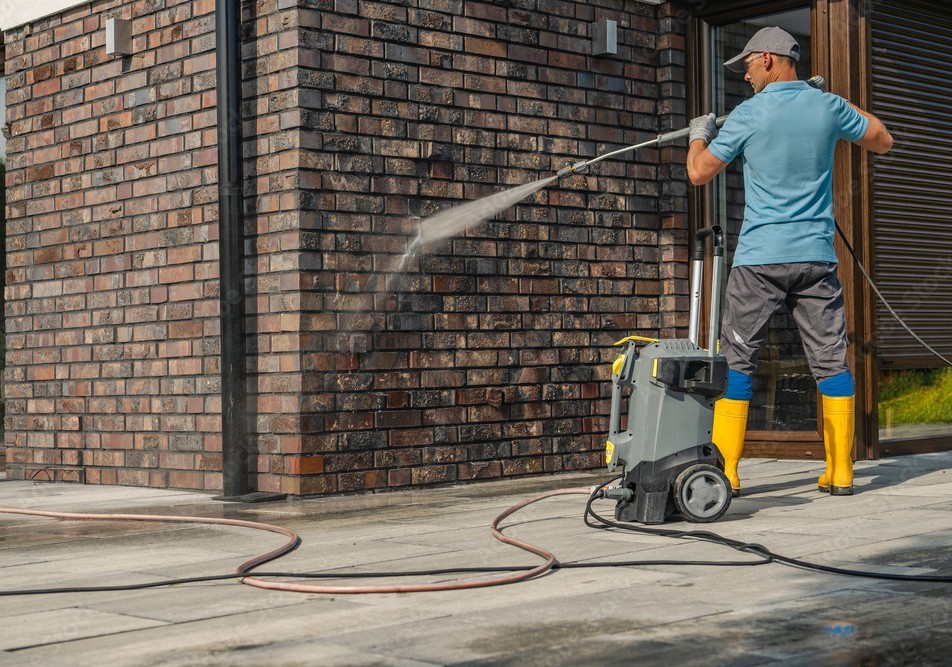
Most DIY pressure washing setups come from rental stores or basic retail machines. They usually operate in the 1,500–3,000 PSI range with limited nozzle control. That sounds powerful, but in practice, it’s blunt force cleaning without precision.
Professional systems are fundamentally different. They’re designed for controlled cleaning, not just pressure output. A trained technician adjusts pressure depending on the surface — vinyl siding, stucco, concrete, or roofing materials all require different treatment.
This is where most DIY mistakes begin.
A driveway and a roof should never be cleaned the same way, yet consumer equipment encourages exactly that approach.
Learn more about our exterior cleaning approach
Why More Pressure Doesn’t Mean Better Cleaning
One of the most common misconceptions is that higher pressure equals better results. In reality, excessive pressure often causes damage before it improves cleanliness.
In coastal areas like Myrtle Beach, surfaces are already weakened by:
- Salt air exposure
- High humidity
- Organic buildup (algae and mildew)
So instead of “scrubbing harder,” professionals rely on soft washing systems and detergents that break down organic growth at a molecular level before rinsing it away.
According to environmental cleaning guidelines from the U.S. EPA, moisture control and proper treatment methods are more important than force when dealing with mold and mildew growth in humid climates.
See how we safely treat delicate surfaces → Soft Washing Services Myrtle Beach page
The Hidden Cost of DIY: Damage You Don’t See Immediately
DIY pressure washing rarely fails in obvious ways. The real issue is delayed damage.
Water forced behind siding can sit unnoticed for weeks or months. Paint may start bubbling long after the cleaning is done. Wood decking can begin to warp slowly. Window seals can weaken over time.
This delayed impact is what makes DIY riskier than most homeowners realize.
In humid coastal climates, trapped moisture doesn’t evaporate quickly. Instead, it becomes a breeding ground for mold inside walls and under surfaces.
A study on moisture-related building damage from the U.S. Department of Energy highlights that improper exterior moisture intrusion is one of the leading causes of long-term structural degradation in humid regions.
Why proper exterior maintenance matters → House Washing Myrtle Beach page
Time vs Cost: What DIY Really Costs You
DIY pressure washing looks inexpensive at first glance. A rental machine might cost $50–$100 per day, plus cleaning solution. But the real cost is time and uncertainty.
A typical DIY session for a full home exterior can take:
- 1–2 hours setup
- 3–6 hours cleaning
- Additional time for corrections or missed spots
And that assumes nothing goes wrong.
Professional crews complete the same job faster because they’re not learning on the job — they’re executing a process. More importantly, the result is consistent across the entire property.
When you factor in re-cleaning, surface repairs, or missed areas, DIY often ends up costing more than expected.
Get a fast quote for your home → Free Estimate page
When DIY Actually Makes Sense
DIY pressure washing is not always a bad idea. It works in limited situations:
Flat concrete surfaces like patios or small sidewalks are generally safe because they’re less prone to damage. If the dirt buildup is light and there’s no mold or algae growth, a controlled DIY wash can be sufficient.
The key difference is risk level. The more delicate or elevated the surface, the higher the chance of costly mistakes.
When Hiring a Professional Is the Smarter Choice
Professional pressure washing becomes the better option when:
- You’re cleaning siding, roofs, or multi-surface exteriors
- You see algae, mold, or black streaks
- Your home is exposed to salt air regularly
- You want consistent, long-lasting results
In coastal environments like Myrtle Beach, buildup doesn’t happen evenly — it spreads faster in shaded, humid areas. Professionals understand how to treat those patterns rather than just rinse over them.
Why Myrtle Beach Homes Need a Different Approach
Homes in Myrtle Beach are exposed to conditions most inland properties never face:
- Constant humidity
- Salt in the air from the Atlantic Ocean
- Heavy seasonal rainfall
- Rapid organic growth on shaded surfaces
This combination means dirt isn’t just cosmetic — it actively breaks down surfaces over time.
That’s why a “one-size-fits-all” DIY approach often fails here. Cleaning methods need to be adjusted for climate, not just surface type.
The Real Verdict: DIY vs Professional
DIY pressure washing gives you control and lower upfront cost, but it comes with risk, inconsistency, and time investment.
Professional pressure washing costs more initially, but it provides:
- Correct pressure for each surface
- Safe removal of mold and algae
- Faster completion time
- Longer-lasting results
- Lower risk of property damage
The decision ultimately comes down to what you value more: short-term savings or long-term protection.
Final Takeaway
In a coastal environment like Myrtle Beach, exterior cleaning is not just maintenance — it’s preservation.
DIY works for small, low-risk jobs. But for full exterior cleaning, siding, roofs, and mold-prone areas, professional pressure washing is not just more effective — it’s safer for your home’s long-term condition.
Suggested Next Steps
If you’re unsure what your home needs:
- Inspect shaded areas for algae or dark streaks
- Check siding edges for moisture buildup
- Look for slippery patches on concrete
- Compare DIY rental cost vs professional estimate
- Get a local assessment before deciding
