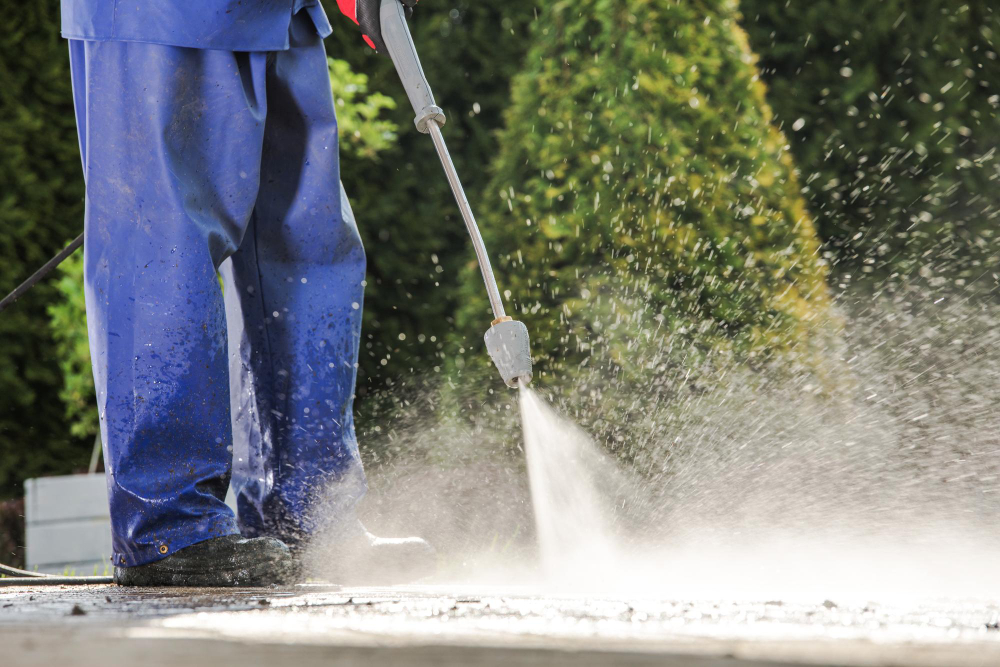
Pressure washing has become one of the most common ways homeowners and business owners refresh the look of their property. Driveways, siding, decks, and fences slowly collect dirt, algae, mold, mildew, and stubborn stains, particularly in humid coastal areas like Myrtle Beach.
The big question most property owners face is simple: should the job be tackled as a weekend project or handled by a trained crew? On the surface, doing it yourself looks cheaper and faster. In reality, cost, time, equipment, safety, and the final result all play a role in the decision.
At ProH2o Pressure Washing, the team often helps clients weigh both sides before recommending the right approach for their property.
What Is Pressure Washing and Why Does It Matter?
Pressure washing is the process of using a high-powered stream of water to remove dirt, grime, mold, algae, and stains from exterior surfaces. The method works well on hard surfaces and can be adjusted in pressure depending on what is being cleaned.
Common surfaces that benefit from pressure washing include:
- Driveways
- Sidewalks
- Patios
- Decks
- Vinyl, brick, and stucco siding
- Wooden and vinyl fences
- Commercial storefronts and parking areas
Regular cleaning protects surfaces from long-term damage, improves curb appeal, and helps preserve property value.
Pros and Cons of DIY Pressure Washing
Advantages of DIY Pressure Washing
For homeowners who like practical projects, the DIY route has clear appeal:
- Lower upfront cost for small jobs, especially if a pressure washer is already owned
- Custom scheduling with no coordination with the crew
- Practical for small areas like a single patio, a short walkway, or outdoor furniture
- Sense of personal control over how the work gets done
Disadvantages of DIY Pressure Washing
The downsides often catch people off guard:
- Equipment rental fees at hardware stores can add up quickly
- Learning curve with nozzles, pressure settings, and cleaning solutions
- Risk of damaging siding, paint, wood, or grout with the wrong pressure
- Time commitment that can stretch a half-day job into a full weekend
- Physical strain from handling heavy hoses, wands, and ladders
Pros and Cons of Professional Pressure Washing
Advantages of Hiring Professionals
Hiring a trained crew shifts the workload, the risk, and the responsibility.
- Commercial-grade equipment that delivers steady water pressure and flow
- Experience with different surfaces, from delicate cedar shake to tough concrete
- Faster completion thanks to trained technicians and proper tools
- Lower risk of damage because soft washing is used on sensitive areas
- Better, longer-lasting results with proper cleaning solutions and technique
Potential Aspects
Professional service is not without trade-offs:
- Greater upfront cost compared with a DIY rental
- Scheduling availability in peak seasons may require booking in advance
For most mid-size and large jobs, the long-term value outweighs the initial price.
Difference between DIY vs Professional Pressure Washing
| DIY Pressure Washing | Professional Pressure Washing |
| Lower upfront cost | Higher initial cost |
| Equipment rental may be needed | Equipment included |
| Requires time and effort | Saves time |
| Risk of mistakes | Experienced handling |
| Better for small projects | Better for larger or difficult projects |
| Results vary | More consistent, longer-lasting results |
When DIY Pressure Washing Makes Sense?
DIY works well for small patios, light dirt buildup, and basic seasonal cleaning around the home. Homeowners who already own a machine and have used one before will likely feel comfortable handling these routine tasks. Quick refreshes on a single section of concrete or a small deck rarely justify the cost of a service call.
When Professional Pressure Washing Is Worth It?
Larger and more complex jobs almost always favor a professional crew. Professional service is usually the right call when the job gets bigger, riskier, or more complex
- Large homes with two or more stories
- Roof cleaning, which requires soft washing to avoid shingle damage
- Multi-story commercial buildings
- Heavy oil, rust, or grease stains on driveways
- Deep mold, mildew, or black algae buildup common in coastal climates
- Restaurants, retail stores, and office buildings with high foot traffic
- Preparing a property for painting, listing, or sale
In coastal regions like Myrtle Beach, salt air, humidity, and storm exposure speed up buildup, which makes routine professional cleaning a smart investment.
According to the U.S. EPA’s Guide to Mold, Moisture, and Your Home, mold can gradually destroy the surfaces it grows on and may trigger allergic reactions making prompt removal from exterior surfaces a smart investment in both property health and your family’s wellbeing.
Hidden Costs People Forget About with DIY Pressure Washing
The sticker price of renting a machine rarely tells the full story. Cleaning solutions, surface cleaners, and extension wands often cost extra. Water usage climbs during long sessions. Accidental damage to siding, window screens, or softwood can lead to repair bills that easily pass the cost of hiring a crew in the first place. Time itself is a hidden cost since hours spent washing are hours not spent elsewhere.
Safety Considerations
A pressure washer is serious equipment. The spray can break skin, throw debris at high speed, and damage wood, paint, and screens in seconds. Ladder use introduces an additional level of risk, especially on wet surfaces. Proper handling means wearing eye protection, keeping a steady grip, choosing the right nozzle, and never aiming the wand at people, pets, or windows. When in doubt, a trained crew brings both the gear and the training to keep the job safe.
High-pressure equipment carries real injury risk. The U.S. Occupational Safety and Health Administration (OSHA) notes that high-pressure spray can penetrate skin and throw debris at dangerous speeds underscoring why proper protective equipment, nozzle selection, and training matter before any pressure washing job begins.
Conclusion
The honest answer depends on the project’s size, the budget, and the expected result. DIY pressure washing works for small, simple jobs where the surfaces are durable and the risks are low. For larger homes, multi-story buildings, roof cleaning, heavy stains, and commercial properties, professional pressure washing delivers safer handling, faster work, and far better long-term results.
For homeowners and business owners in Myrtle Beach who want a clean, protected, and great-looking property without the guesswork, ProH2o Pressure Washing is ready to help. Call (843) 455-1485 or request a free estimate today to get expert advice and a clear quote for your next pressure washing project.
Frequently Asked Questions
Can pressure washing damage siding?
Yes, if the pressure is too high or the wrong nozzle is used. Soft washing is the safer choice for vinyl, wood, and painted surfaces.
Is renting a pressure washer cheaper than hiring a professional?
For very small jobs, sometimes. Once rental fees, cleaning solutions, time, and possible repairs are added, professional service often costs about the same or less.
How long does professional pressure washing take?
Most residential jobs take two to four hours. Larger homes and commercial properties may need a full day.
Do professionals use different equipment?
Yes. Professionals use commercial-grade machines with adjustable pressure, hot water options, and soft washing setups for delicate surfaces.
Can pressure washing remove mold and algae?
Yes. A combination of proper pressure and eco-friendly cleaning solutions removes mold, mildew, and algae and helps slow regrowth.
How often should pressure washing be done?
Most homes benefit from a full exterior cleaning once a year. Properties near the coast, under heavy tree cover, or in humid areas may need it twice a year.
