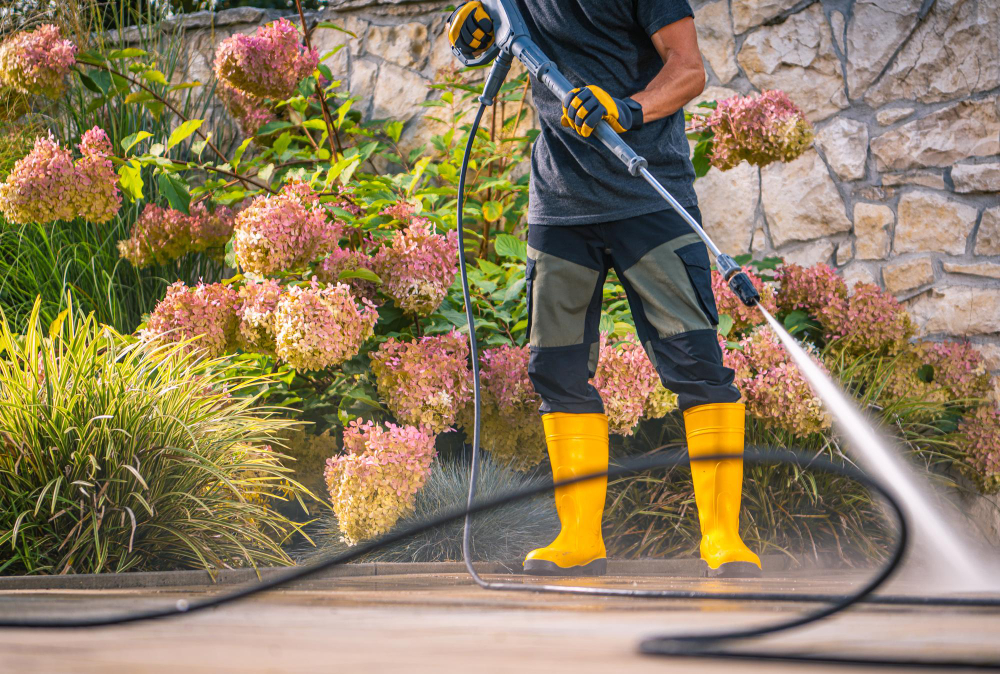
Are you excited to give your house, deck, or fence a fresh new color? You know the first step is to get it super clean, and pressure washing is the best way to do that. It blasts away all the old dirt, cobwebs, and flaky paint.
But after the washing is done, you have a really important question: “How long do I need to wait before I can start painting?” If you paint too early, your new paint job could turn into a failure. Let’s figure out the perfect waiting time so your hard work looks amazing and lasts a long, long time.
Below is a clear, practical guide you can follow.
Quick answer
Most of the time, you need to wait one to two full days (24 to 48 hours) after pressure washing before you can paint. The surface must be 100% dry to the touch and beneath the surface. Sometimes that takes one day. Sometimes it might take three or four. Let’s look at why.
Why You Can’t Paint on a Wet Wall
Have you ever tried to put a sticker on a wet window? It just slides around and peels right off. Paint does the exact same thing on a damp wall.
If you paint over a wall that’s still a little wet on the inside, you trap that water. When the sun comes out and heats up the wall, that trapped water tries to escape. This causes your brand-new paint to:
- Bubble up: Big, ugly bubbles will appear.
- Peel off: The paint will start flaking and falling off in big strips.
- Grow mold: Trapped water can help icky green or black mold grow under your paint.
Basically, painting too soon wastes all your time and money.
What Changes the Drying Time?
How long you need to wait depends on three big things:
1. What Your Wall is Made Of
Different materials react to water in different ways. Some absorb it, others don’t.
- Wood (like a deck or fence): Wood is like a sponge. It soaks up water and takes the longest to dry. You should wait at least 2 or 3 days for wood.
- Concrete and Brick: These are like hard sponges. They have tiny holes that drink up a lot of water. Give them at least 1 or 2 days to dry out.
- Vinyl or Metal Siding: The water doesn’t soak in, so they dry very fast. You just need to wait for the water in the cracks and seams to dry. Usually, 1 day is plenty of time.
2. The Weather
The weather makes a big difference.
- Sunny and Windy Days: These days act like a giant hairdryer for your house, making it dry much faster.
- Cloudy and Humid Days: This is bad weather for drying. When the air is already damp and sticky (humid), the water has nowhere to go. You’ll need to add an extra day or two of waiting time.
- Shady Spots: The shady side of your house will always take longer to dry than the sunny side.
3. How It Was Washed
A gentle wash is much better than a super-powerful one. A gentle wash cleans the dirt off the top. Blasting the wall with super high pressure can force water deep inside wood or brick, making it take way longer to dry.
How to Make Sure It’s Dry
Don’t just guess. Here are two easy tricks to check if your wall is ready for paint.
- The Touch Test: This is the easiest one. Touch the wall in a few different places, especially in shady spots. Does it feel even a little bit cold or damp? If it does, it’s not ready. It should feel completely dry and not cold at all.
- The Plastic Bag Test: This is a cool trick for wood or concrete. Tape a plastic sandwich bag to the wall. Make sure you tape all four sides down so it’s sealed tight. Leave it there for a few hours. When you come back, look inside the bag. Any fogging or tiny beads of water mean the wall hasn’t fully dried yet. It needs more time.
What If It Rains After Pressure Washing?
If it rains before you paint, you’ll likely need to wait again. Porous surfaces can soak up that water.
As a general plan:
- After light rain, often a full day is a good starting point (more for wood)
- After heavy rain, plan for at least 2–3 dry days, depending on sun and airflow
If you’re unsure, use a moisture meter, especially for wood.
Common Mistakes that Cause Peeling Paint After Pressure Washing
Even if you wait the right amount of time, these little mistakes can ruin your hard work.
- Painting because it looks dry: Surfaces can look dry on top but still hold moisture underneath, especially wood.
- Not rinsing cleaners fully: Leftover soap or chemicals can interfere with paint bonding.
- Pressure washing too close to the surface: This can damage wood fibers and force water deeper into siding and trim.
- Skipping primer where needed: If you wash off chalky residue, exposed bare patches, or remove loose paint, primer often helps the topcoat stick properly. (Follow the paint system you’re using.)
A Great Paint Job Starts with a Great Wash
Getting your house perfectly clean is the most important step for a paint job that looks professional and lasts for years.
At Pro H2O Pressure Washing, we’re experts at getting surfaces ready for paint. We know how to wash away all the dirt without damaging your home or soaking it with too much water. Call us at (843) 455-1485 to schedule service:
FAQs
Is 24 hours enough after pressure washing to paint?
Sometimes, yes, on painted siding in warm, dry weather. But many situations need more time (shade, humidity, bare wood).
How do I know if it’s dry enough to paint?
For wood, use a moisture meter and aim for about 15% moisture or lower; for other surfaces, confirm it’s fully dry to the touch and give extra time if conditions are humid.
What happens if you paint too soon after pressure washing?
Moisture can get trapped under the paint and cause bubbling, peeling, or poor adhesion later.
Do I need to rinse after using cleaners?
Yes, if you washed with a cleaning solution, rinse with clean water to remove residue before painting.
Additional Reads
When Should You Clean Driveways, Decks, and Gutters?
Why Choose Professional Pressure Washing Vs. DIY
The Hidden Costs of Ignoring Pressure Washing: Mold, Rot, and Repairs
